Blog

Why a Building Survey Should Come Before Any Major Works

When a block needs work, it is tempting to go straight to quotes. But without a clear picture of the building’s condition, every contractor is guessing, and guesses lead to extras once the scaffolding goes up. A building survey at the start avoids that.

What a building survey looks at

A condition survey before major works typically covers:

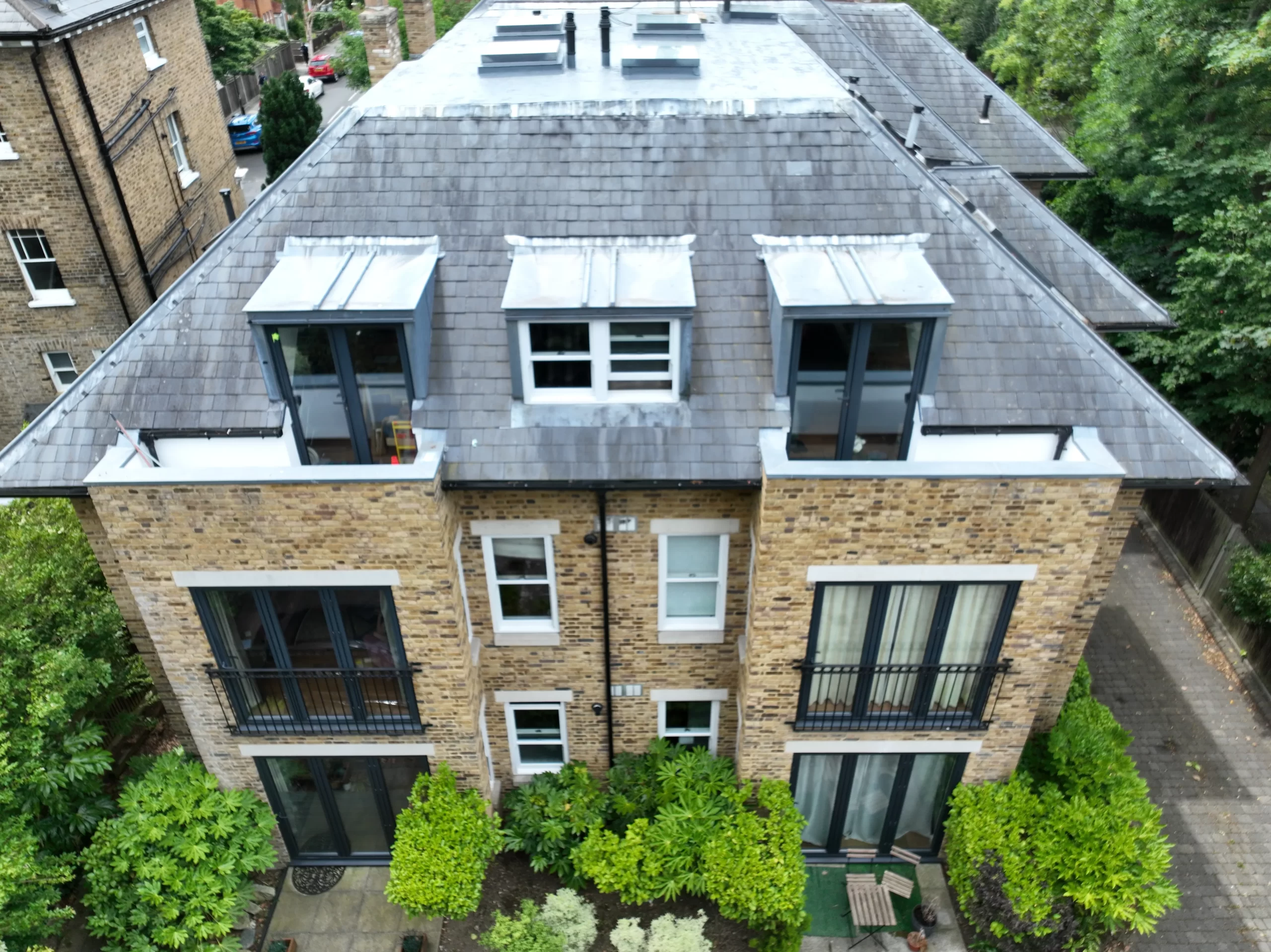
  • Roofs, chimneys, parapets and flashings
  • Gutters, downpipes and drainage
  • Brickwork, pointing, render and stucco
  • Windows, doors, sills and lintels
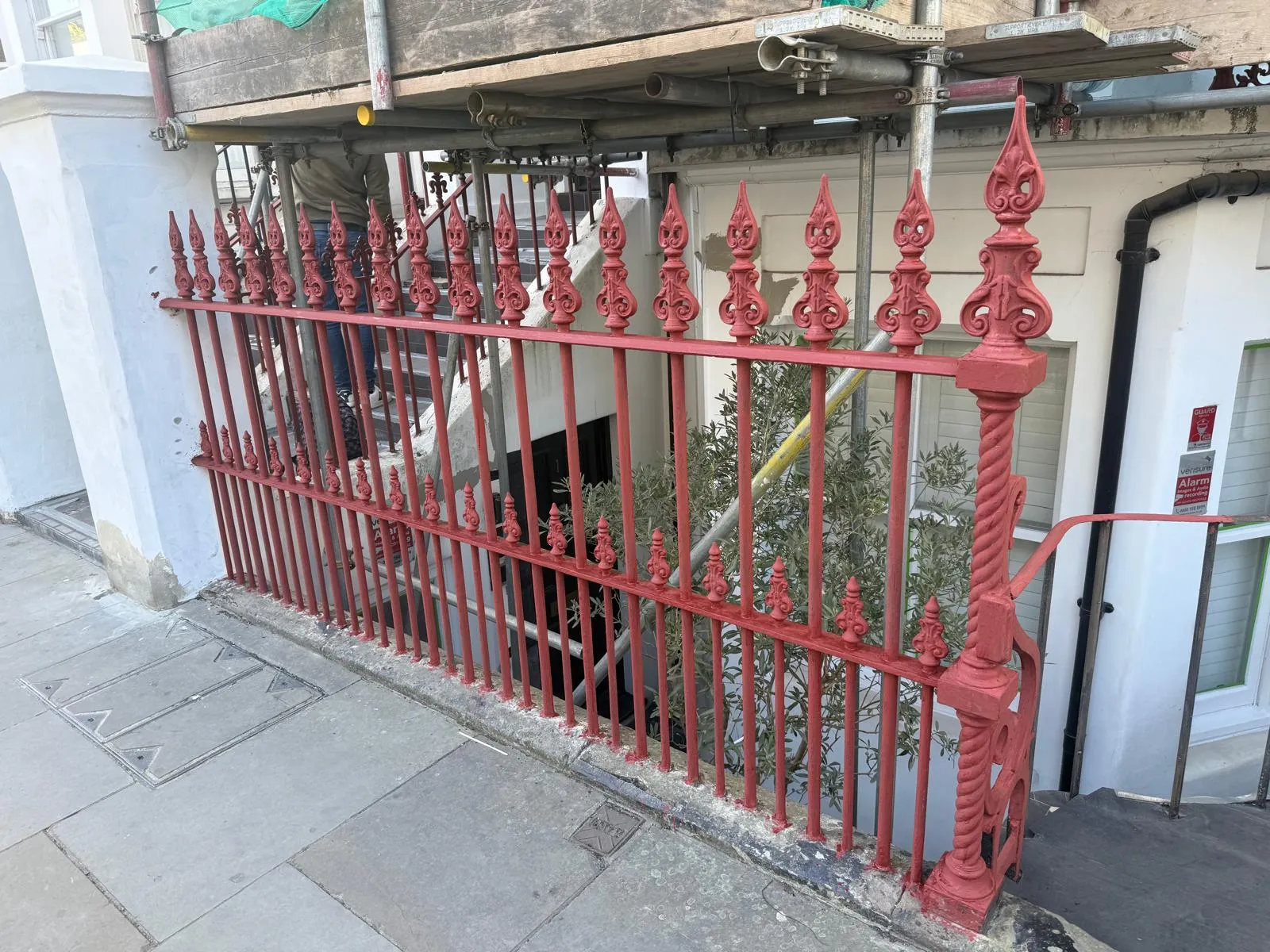
  • Balconies, railings and fire escapes
  • Signs of damp, movement or structural problems
  • Shared internal areas such as stairwells and corridors, where included

The findings are written up with photos and a schedule of the work needed, ranked by urgency.

1. Quotes you can actually compare

With a written specification, every contractor prices exactly the same work. That makes it far easier to compare quotes fairly, rather than weighing up different interpretations of a vague brief.

2. A stronger Section 20 consultation

Where leaseholders contribute to the cost, the consultation process needs a clear description of the proposed works. A survey and specification give leaseholders confidence that the work is needed and the price is fair, which helps the project move forward with fewer disputes.

3. Fewer surprises on site

Problems found halfway through a job are expensive. They mean variations, delays and sometimes extending the scaffold hire. A thorough survey finds most issues before work starts, so they can be priced in from day one.

4. A plan for the next few years

Not everything needs doing at once. A good survey separates urgent repairs from work that can be planned for later, helping managing agents and residents’ associations budget over several years.

5. A record of the building

A dated survey with photos is a useful record for insurers, future works and any questions about the building’s condition later on.

When to arrange a survey

Ideally, before any major external or internal works, before setting the next year’s service charge budget, and whenever you notice signs of trouble such as damp, cracking or failing paint. Our guide to the signs your building needs external refurbishment covers what to look out for.

Building surveys in London

Block Restoration carries out building surveys and the refurbishment work that follows across London, including Kensington and Hampstead. Get in touch or call 020 7971 1264 to arrange a survey.
8 Signs Your Building Needs External Refurbishment

The outside of a building rarely fails all at once. Small problems build up quietly, and by the time water is coming through a ceiling, the repair is much bigger than it needed to be. Spotting the early signs gives you time to plan the work properly and keep costs under control.

Here are eight signs that a building is ready for external refurbishment.

1. Cracked or hollow render

Hairline cracks in render let water in. In winter that water freezes and expands, pushing the render away from the wall. Tap suspect areas gently. A hollow sound usually means the render has lost its grip and needs cutting out and replacing.

2. Flaking or blistering paint

Paint that is peeling, blistering or chalky has stopped protecting the surface underneath. On stucco and timber, that is when damage speeds up.

3. Damp patches and staining

Dark patches on the walls, green staining below gutters or tide marks on the inside of external walls point to water getting in. The cause is often a leaking gutter, failed pointing or a cracked sill, all of which are best fixed before they spread.

4. Rotten timber and sticking sash windows

Soft timber on sills and frames, or sash windows that stick or rattle, are signs the paint has failed and moisture has got into the wood. Caught early, rotten sections can usually be cut out and repaired rather than replacing the whole window.

5. Blocked or leaking gutters

Plants growing out of gutters, overflowing water in heavy rain and stained brickwork under downpipes all mean the rainwater system is not doing its job. Water pouring down a wall is one of the fastest ways to damage brick and render.

6. Crumbling mortar

If the mortar between bricks is recessed, loose or sandy, the wall is open to water. Repointing with the right mortar, usually lime on older London buildings, keeps the brickwork sound.

7. Stepped cracks in brickwork

Cracks that run diagonally through the mortar in a staircase pattern can point to movement, failing wall ties or lintel problems. These need looking at by someone who knows what they are doing. Structural repair systems such as Helifix crack stitching can often fix the problem without rebuilding the wall.

8. Rusting railings and balconies

Rust on railings, balconies and fire escapes is more than cosmetic. Left alone it weakens the metal and stains the walls below. Treating and repainting is far cheaper than replacing sections.

Why acting early saves money

Most of these problems get worse each winter. A building that needs redecoration and minor repairs this year can need major structural and render work in a few years’ time. Bundling the repairs into one planned project, with one set of scaffolding, is almost always the most cost-effective route.

Not sure what your building needs?

If you have spotted any of these signs, a building survey will show exactly what work is needed and in what order. Block Restoration carries out external refurbishment across London. Get in touch for a quote or call 020 7971 1264.

External Redecoration for London Blocks: A Guide for Managing Agents and Residents

Every block of flats needs its outside redecorated on a regular cycle. Many leases set this at every five to seven years, and for good reason. Paint, render and timber are the first line of defence against the weather. Leave them too long and a straightforward redecoration turns into repairs that cost far more.

This guide explains how an external redecoration project works for a London block, what is usually included, and how to keep it on time and on budget.

What external redecoration usually covers

The exact scope depends on the building, but a typical specification includes:

  • Preparing and painting render, stucco and masonry paint finishes
  • Repairing and repainting timber and sash windows, doors, fascias and soffits
  • Painting metal railings, balconies and fire escapes, after treating any rust
  • Clearing and repairing gutters, downpipes and hoppers
  • Small masonry and render repairs found once the scaffolding is up
  • Sealant renewal around windows and doors

On period buildings in areas like Maida Vale, Kensington and Chelsea, the finish matters as much as the protection. Stucco fronts and original sash windows need the right materials and a careful hand, not a quick coat of paint.

Step 1: Survey and specification

Good projects start with a proper look at the building. A survey records the condition of every elevation and sets out exactly what work is needed. That becomes the specification contractors price against, so every quote compares like for like. Our guide on why a building survey should come before major works goes into more detail.

Step 2: Section 20 consultation

If the work will cost any one leaseholder more than £250, the landlord or managing agent has to consult leaseholders under Section 20 of the Landlord and Tenant Act 1985 before the work goes ahead. This involves formal notices and time for leaseholders to comment and nominate contractors. Build this into the timeline from the start. Skipping it can limit how much of the cost can be recovered through the service charge.

Step 3: Timing and weather

Most exterior paints need dry weather and temperatures above a set minimum to cure properly, so the main painting season runs from spring to early autumn. Planning the consultation over winter means work can start as soon as the weather allows, instead of the project slipping into the following year.

Step 4: Access and scaffolding

For most blocks, scaffolding is the biggest single cost after labour. It is worth doing everything that needs high-level access in the same visit, including roof, gutter and window repairs. Bringing scaffolding back later for a missed job costs far more than including it at the start.

Step 5: Keeping residents on side

Residents live with the works for weeks, so clear communication makes a big difference. Let them know the start date, which elevations are being worked on and when, and when windows need to be kept closed. A named contact for questions keeps complaints down and the job moving.

Step 6: Snagging and handover

Before the scaffolding comes down, every elevation should be checked against the specification and any snags put right. Once it is gone, fixing a missed area means paying for access all over again.

Planning external redecoration in London?

Block Restoration carries out external redecoration and refurbishment for blocks of flats and period buildings across London, including Maida Vale, Kensington, Chelsea, Fulham, Earls Court, Hampstead, Golders Green and Finchley. If your building is due its next cycle, get in touch for a quote or call us on 020 7971 1264.

Copyright © 2026 Block Restoration | All rights reserved | Designed & SEO by webizseo

Call Now
Get a Quote